Global data centre leader expands into the Canadian market after acquiring three data centres in Toronto
Toronto ON (April 11, 2024) – Telehouse, a leading global colocation data centre service provider, announced the launch of Telehouse Canada, bringing Canadian businesses the improved IT infrastructure and connectivity services needed to power Canadian growth and innovation.
As Canadian organizations across all industries continue to invest in digital transformation and scale through advanced technologies like AI and Cloud Services, Telehouse Canada will meet the growing demand for highly resilient colocation services, digital connectivity and the enablement of High-Performance Computing.
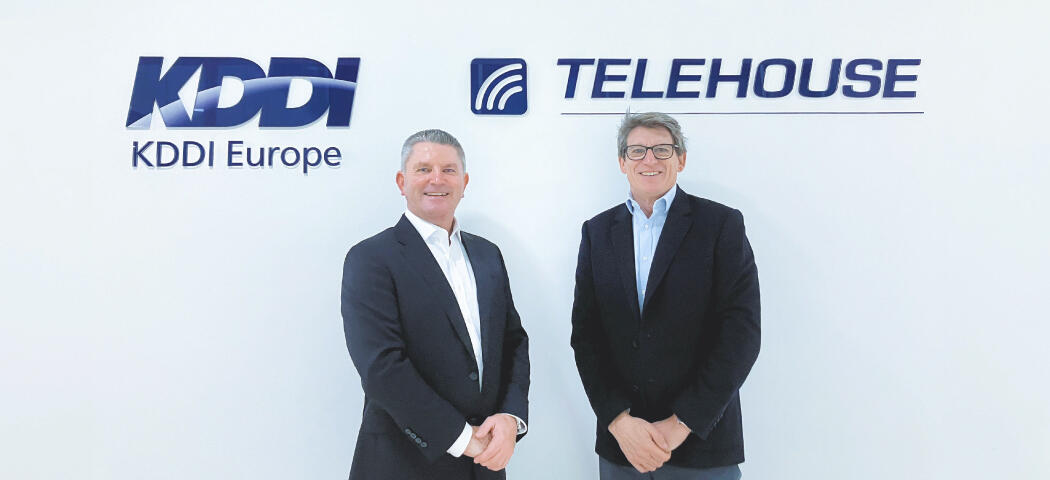
“Canada is known around the world for its technology leadership, including advanced AI research, top-tier talent and the growth of innovative companies. Expanding Telehouse’s data centre services in Canada is an opportunity for us to help build on that momentum,” said Satoshi Adachi, President and CEO of KDDI Canada. “Our data centres will make it easier and faster for Canadian businesses to modernize, scale their IT environments and engage in the digital economy.”
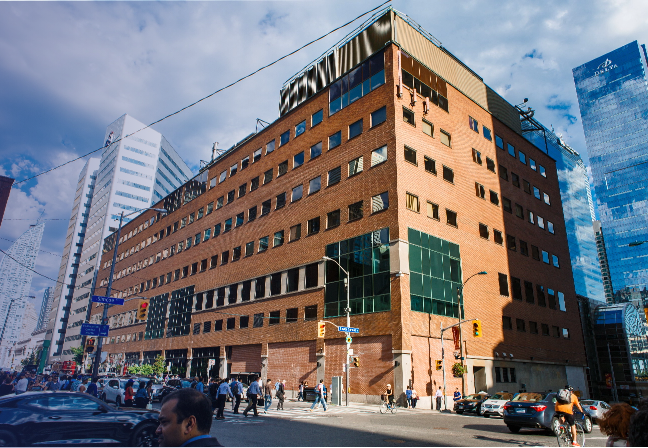
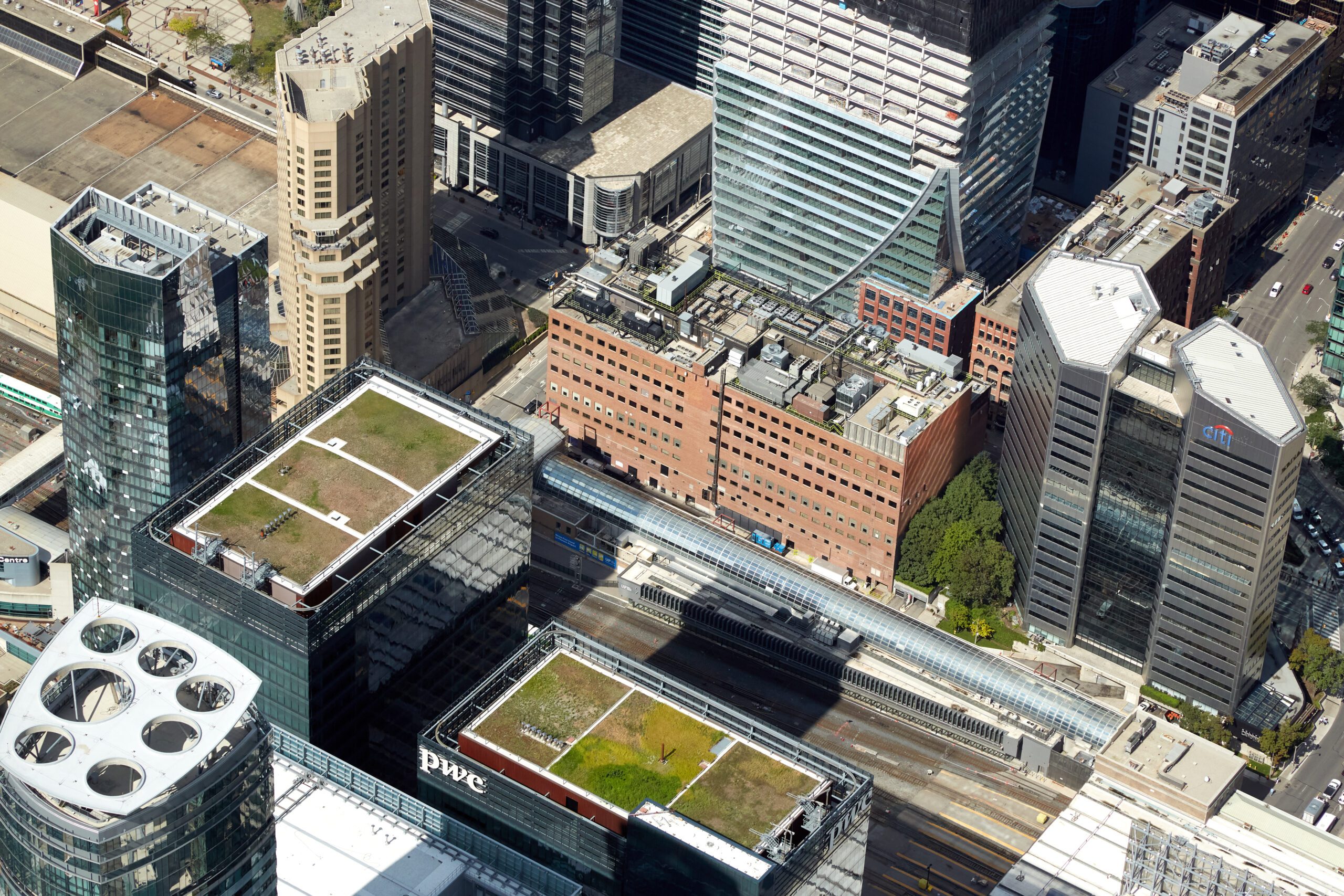
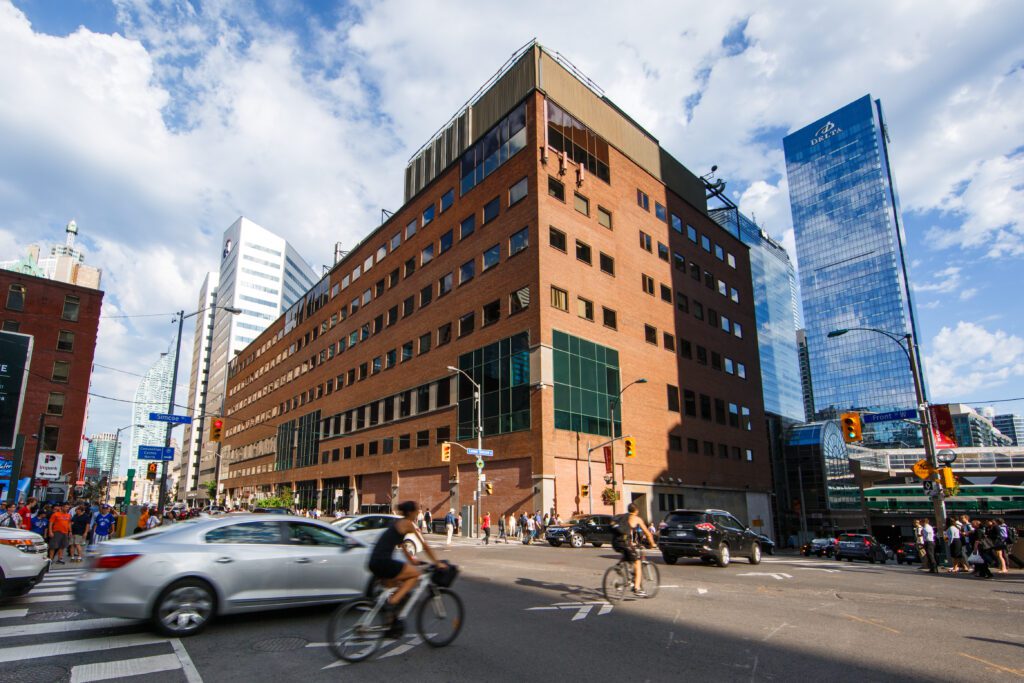
Today’s announcement comes after Telehouse, together with parent company and Japanese telecommunications leader, KDDI, signed an agreement to acquire three Toronto data centres in June 2023. When fully operational, the new carrier-neutral data centres will provide more than 30MW of IT load.
“Today’s expansion marks an important milestone, but it’s only the beginning of our investment in and commitment to Canada,” said Adachi. “We will be leveraging more than 30 years of data centre services experience to drive growth for Canadian businesses and help Canada maintain its competitive edge in an increasingly interconnected world.”
KDDI has been steadily expanding Telehouse’s presence into new international markets since establishing the first Telehouse data centre in New York in 1989. With the launch of Telehouse Canada, Telehouse now operates over 45 data centres across 10+ countries.
About KDDI Corporation
Created in 1953 as an initiative spearheaded by the Japanese government to develop their international network from Japan, KDDI Group has become a leading global telecommunications company, operating in more than 60 cities and 100 locations around the world. KDDI deployed major international infrastructures, including its Global Network, a digitized proprietary network with optic-fibre linking Europe, North America, Asia and Australia. With a customer portfolio of over 50 million subscribers in Japan, KDDI offers mobile phone services, network services and IT solutions to its global customers. For more information visit: kddi.com
About Telehouse
Telehouse is a leading global data centre service provider under KDDI group, bringing together more than 3,000 business partners including carriers, mobile and content providers, enterprises, cloud providers and financial services companies. Established in 1989, Telehouse provides reliable, secure, and flexible colocation, enabling organizations to accelerate speed to market and create business opportunities through fast, efficient and secure interconnections. For more information visit: telehouse.ca
New North American Company “KDDI Spherience” to Launch Operation to Expand Connected Services Business
KDDI announces that KDDI Spherience, LLC (hereinafter, “KDDI Spherience”) will begin its operation as a wholly owned subsidiary of KDDI America Inc. on April 1, 2024 with the aim of globally expanding the connected services business.
On the same day, KDDI Spherience will open an operation base in Stockholm, Sweden.
By strengthening the collaboration among our three bases in the Americas, Europe, and Asia, we will help Japanese automakers expand their operations overseas and overseas automakers implement connected service solutions, thereby strengthening and promoting the connected services business on a global scale.
Background and Objective
As IoT, digital transformation and other data-driven businesses expand globally in a variety of industries, initiatives for connected cars and mobility are further expanding in the mobility industry.
In addition to initiatives to create a safe and secure mobility society by utilizing data obtained from connected cars, automobiles are no longer just a means of transportation but are expected to provide personalized in-car environment and entertainment experiences for each customer, in addition to driving. Therefore, it is becoming increasingly important to keep cars connected through communications across national borders.
KDDI has been facilitating the global deployment of connected services to expand the connection between people and cars together with Japanese automakers by utilizing the Global Communications Platform that achieves high-quality and stable communications in countries around the world.
With KDDI Spherience and its operation launched, we will strengthen and promote the connected services business on a global scale while providing support for overseas automakers to respond globally to customer trends outside Japan. Furthermore, the entire KDDI Group will promote solutions for issues in a variety of domains, including automotive and digital devices as well as other mobility sectors in general, by utilizing the Global Communications Platform.
The KDDI Group operates the B2B brand “KDDI BUSINESS” to achieve the KDDI VISION 2030, “the creation of a society in which anyone can make their dreams a reality, by enhancing the power to connect.” KDDI BUSINESS will promote the digital transformation in the mobility industry by focusing on the connected services business as one of its key domains.
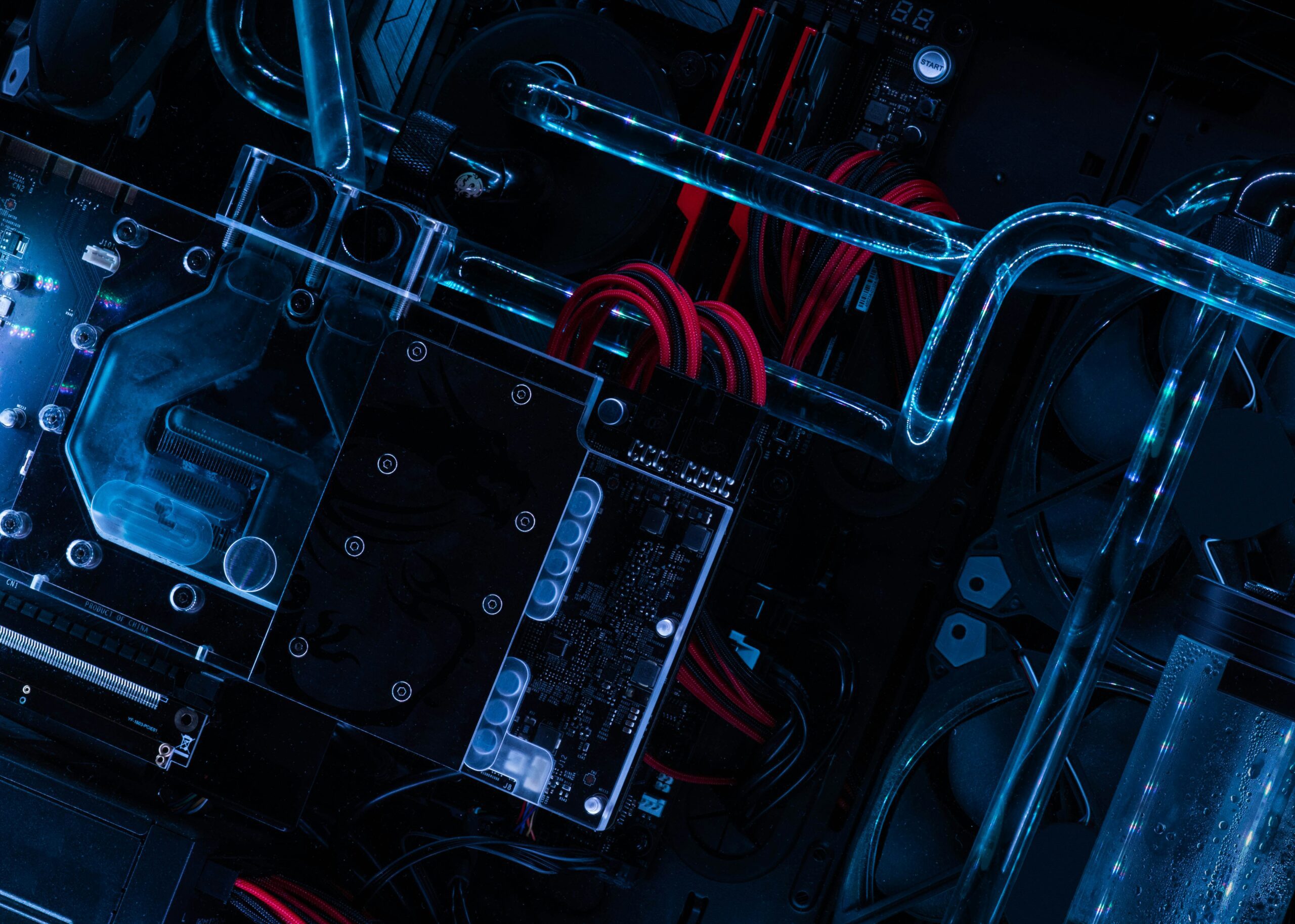
Data centre operators are increasingly adopting liquid cooling as an eco-friendly solution to manage the heat generated by high-density computing capabilities, such as those required for AI applications.
This approach is not only more efficient than traditional air conditioning but also supports sustainability initiatives. This article will discuss the role of data centre liquid cooling, explore the two main types of liquid cooling systems, and highlight the advantages of liquid cooling.
How is liquid cooling used in data centres?
Liquid cooling in data centres is an innovative approach to managing the heat output of high-performance computing systems. This method is increasingly vital as data centres evolve to handle more intensive tasks. Liquid or water-cooling technology typically follows these basic steps:
Coolant-filled baseplates absorb the heat from central processing units, preventing them from getting warmer
Heat moves through a tube and into a Heat Exchanger
Air exposure allows the liquid in the Heat Exchanger to cool down
The cooled liquid is returned to the baseplate.
Two main types of liquid cooling will likely define the sector moving forward: conductive or direct liquid cooling and liquid immersion cooling. Direct liquid cooling in the data centre taps into the principle of using liquid to siphon off heat from processor components directly:
Heat sinks are attached to the processor
Liquid passes through the heat sink
Heat is then sent from the hot processor to the cooler liquid
Immersion data centre cooling works a bit differently:
Servers are altered to deal with submersion
Servers are submerged in a specially engineered, non-conductive fluid
Heat then disperses into the liquid medium
The two data centre liquid cooling options
There are several different water cooling configurations that data centre operators can deploy to cool their data centre racks. The two main options are:
All-in-one systems: These systems provide a streamlined, out-of-the-box solution for data centre liquid cooling. Easy to install and ideal for quick deployment, All-in-One systems come pre-assembled, catering well to data centres with standard cooling requirements. However, their limited customization options may not be suitable for facilities requiring bespoke cooling solutions.
Custom cooling loops: Designed for greater flexibility and personalization, these systems are composed of individual components that can be tailored to specific cooling requirements. Custom cooling loops demand more time and expertise for design and installation but offer an optimal solution for data centres with unique architectural layouts or specific cooling challenges.
Advantages of data centre liquid cooling
Data centre liquid cooling brings several benefits to data centres, including:
Guaranteed server uptime: By reducing overheating, servers can operate longer without interruption
Rack densities can be drastically increased: Customers can rollout power-intensive workloads essential for their expansion
Cooling systems consume less energy: Operators can reduce their energy bills, improve their PUE numbers and lessen carbon footprints with water-cooled data centre racks
CRAH/RAC units can be removed: Removing CRAH/RAC units frees up space in data halls for other deployments, and the absence of fans means quieter operations
Longer technology lifespans can be achieved: Reduced heat stress extends the life of technology infrastructure
Heat Export: Swift evolution of AI and High-Performance Computing. The liquid-cooled server or immersion cooling brings with them a potential for higher-grade waste heat. Data Centre Waste Heat can be efficiently harvested for supplying district heating schemes.
Liquid cooling is more than just a technological advancement, it represents a significant step towards a more sustainable future in the data centre industry. The adoption of data centre liquid cooling is closely aligned with achieving sustainability goals, helping to reduce energy consumption and minimize environmental footprints. This makes it an essential strategy for data centres committed to sustainable operations and environmental responsibility.
To discover how data centre liquid cooling can contribute to your data centre’s sustainability goals and enhance operational efficiency, get in touch with Telehouse, leaders in sustainable data centre solutions.
Telehouse: global data centres with a customer-centric approach to support the digital future
The global proliferation of smartphones and cloud services has led to a rapid digital shift in the way we live and work.
Telehouse, a member of the KDDI Group and a global data center provider, is supporting this transformation.
Telehouse will showcase its services at MWC Barcelona 2024, the world’s largest mobile event, which will take place over four days from 26 February 2024.
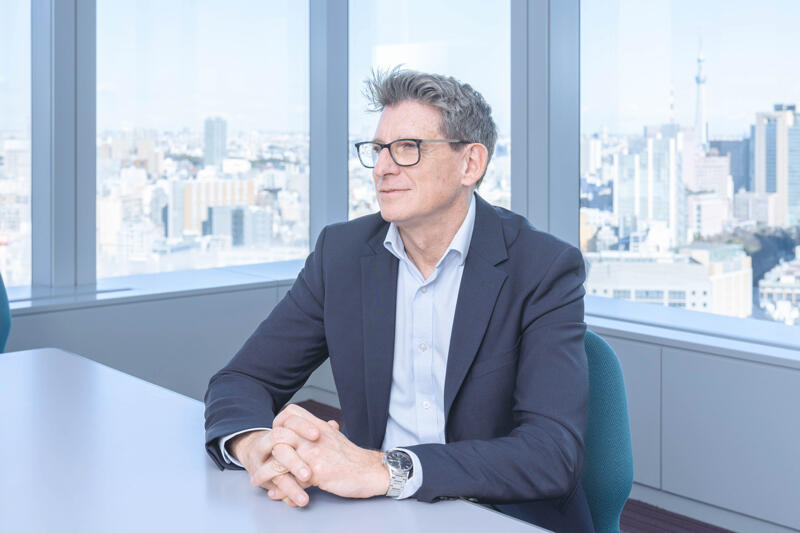
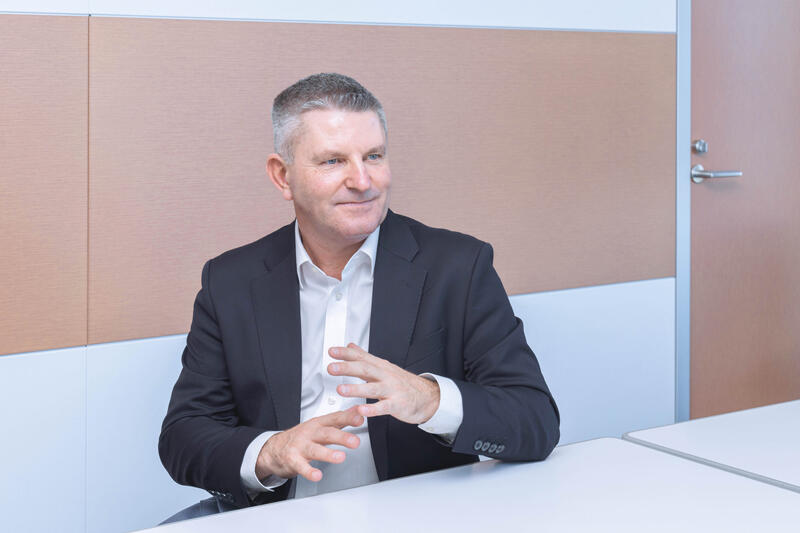
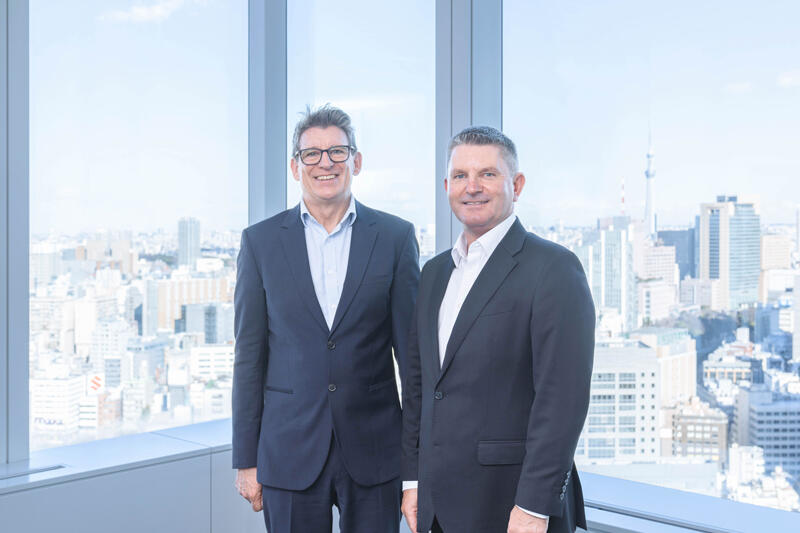
(Left) Paul Lewis, (Right) Mark Pestridge
We spoke to two Telehouse Europe executives Paul Lewis, Senior Vice President & Leader of Technical Services and Mark Pestridge Executive Vice President & General Manager, about the value of their business.
Global data centers in North America, Europe, and Asia
What is Telehouse?
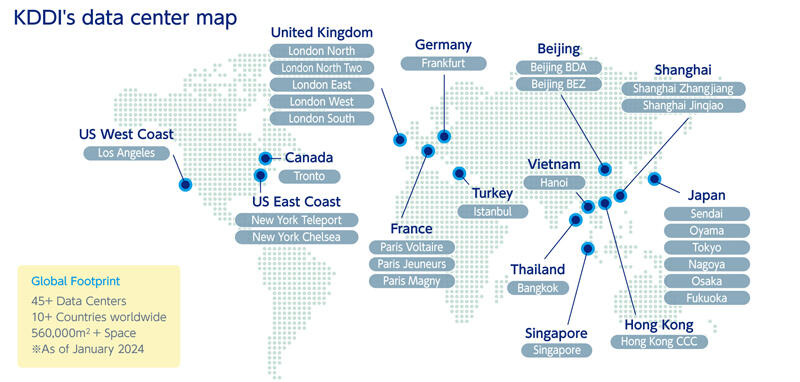
Pestridge: Telehouse is a global data center provider established in 1989 as a member of the KDDI Group. As of January 2024, we have over 45 data centers in three regions (North America, Europe, and Asia)/10+ countries, offering data center services such as colocation and interconnection (connectivity services) and host leading ‘Internet Exchanges (IX)’.
KDDI Data Center Map (As of January 2024)
Could you give us some specifics about colocation services and IX?
Lewis: Colocation is a service that provides support for the maintenance and operation of customers’ IT resources in a secure and reliable data center. Telehouse provides high-quality colocation services 24 hours a day, 365 days a year.
Pestridge: An IX is a service that enables the interconnection and exchange of Internet traffic. This service brings together interconnection points for major telecommunications carriers, internet service providers (ISPs), cloud service providers, content providers and data center providers, enabling the efficient exchange of traffic between operators.
In London, our London Docklands data center campus was the first and primary home of the London Internet Exchange (LINX) which contributed to the growth of our campus into one of the world’s leading internet hubs. Telehouse also owns the New York International Internet Exchange (NYIIX) which has excellent international connectivity.
Pestridge, Responsible for overseeing customer experience, mitigating risk and ensuring compliance, the sustainable development and profitability of the company.
The value of data centers is difficult for ordinary people to see. Can you explain their value to society?
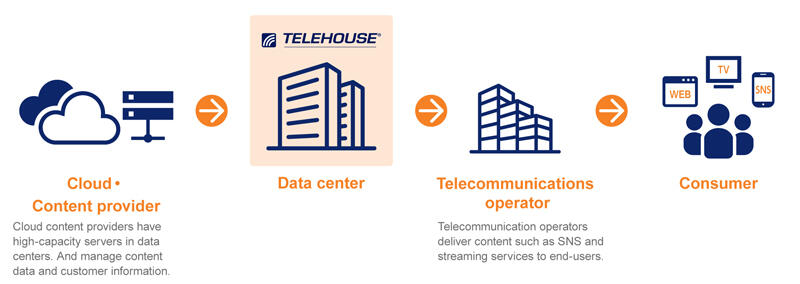
Pestridge: Most people are unaware of the existence of data centers. However, data centers are the foundation of the digital society. People may be completely unaware of the number of times they come into contact with a data center during the course of their day as various cloud services as well as movie streaming services, online shopping services and even smartphone apps used in our daily lives are hosted by data centers. In other words, data centers are an essential infrastructure for today’s digital society.
How about the Telehouse business status?
Pestridge: As of January 2024, Telehouse services are utilized by more than 3,000 customers globally. These customers are diverse in business scale and organization size. From some of the world’s largest multinationals to small and medium-sized enterprises doing business locally. Our customers also come from a wide range of industries, such as mobile operators, cloud service providers and content platforms, as well as financial institutions, manufacturers, and retailers.
How is the data center market growing?
Lewis, Responsible for overseeing the operational excellence of the company, including implementing business strategies and optimizing operational capabilities.
Lewis: The market is growing at a significant rate. In Europe, for example, demand for colocation services has been growing for many years.
More recently, the increase of remote working in the wake of COVID-19 has accelerated the growth in demand for data centers. In the future, the demand for data centers is expected to continue to grow, driven by the development and demand for applications such as the Internet of Things (IoT), AI and 5G.
Pestridge: In Europe in particular, data center demand in major cities such as Paris, Amsterdam, London, Frankfurt and Dublin is growing at an unprecedented rate, with a forecasted year-on-year growth of 17% in 2023.
This trend is expected to continue over the next three to five years and beyond. In addition, data center demand is also growing rapidly in second-tier markets in Europe such as Marseille, where Telehouse has recently expanded its presence, and Madrid, and Lisbon, driven by the need for high-performance computing and IoT.
Customer centricity is at the heart of everything we do
The data center market is highly competitive. What are Telehouse’s strengths compared to its competitors?
Pestridge: We understand that one size does not fit all. Every customer is unique, we listen to our customers and customize our services to meet their requirements and make it easy for them to do business with us. We are trusted by our customers, and this is a result of the consistent pursuit of operational excellence, security, and resilience in our data centers. Our core services are colocation and connectivity however, we try to understand what our customers use our services for, their requirements at each stage of their the journey with us and how we can continue to meet their needs as they continue to evolve and grow.
There is another factor that has made Telehouse’s services popular with a large number of customers.
Could you be more specific on the point?
Lewis: Customers’ needs for data center services vary depending on their business scale, business nature, and organizational size. Telehouse aims at working with its customers to understand their operational goals and to contribute to the achievement of these goals by delivering high-quality, reliable, scalable data center services that meet their business needs.
Customers’ needs for data centers also change over time, don’t they?
Pestridge: Of course, they change. That’s why we regularly monitor and use feedback from customer research such as our annual NPS (Net Promoter Score) survey to understand the challenges our customers face and the goals they want to achieve, and improvements we need to make to services to ensure that they continuously meet our customers’ needs.
Can you provide an example of how Telehouse has delivered this customer-centric approach?
Pestridge: Last year we launched a customer project to understand the challenges and needs of customers at various stages of their interactions with Telehouse. We undertook research with a range of customers of and we are using the findings of the research to evolve and improve our customer experience.
Lewis: During the COVID-19 epidemic, here in London, Telehouse had to respond quickly to the surge in internet usage and the need for our customers to maintain their systems at our data center campus, while also ensuring the safety of our staff. We put in place policies and practices that were aligned with government guidelines, to ensure the safety of our staff and visitors to our campus and kept in close contact with our customers to ensure that we maintained a balance between the stability of our operations and ensuring that we responded to our customers specific needs.
As part of this initiative, we also continued to offer our Remote Hands Service, providing our customers with the option to utilize our own highly skilled engineering staff to undertake IT services in their racks located at our data centers and therefore reduce the need for their own engineers to visit our campus. This measure helped minimize exposure to the virus and the risk of infection for both the customers and Telehouse staff.
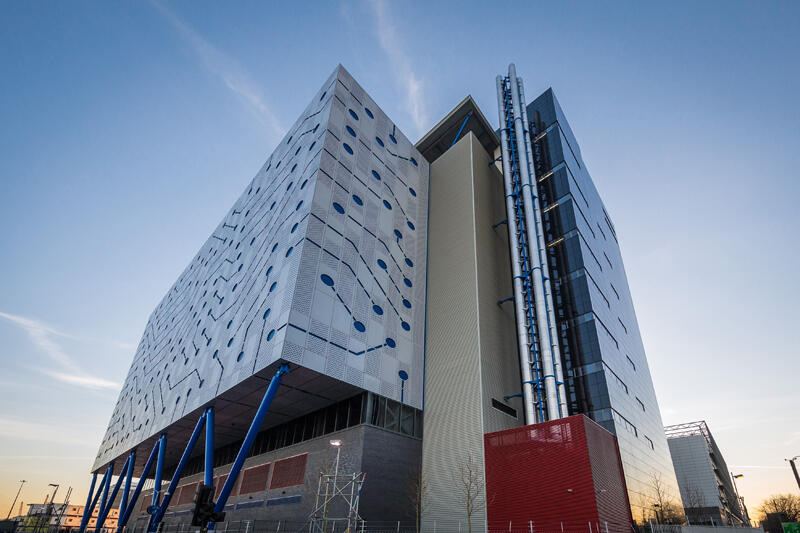
Exterior view of Telhouse London Docklands North Two. The most advanced data center equipped with the largest and highest level of connectivity in the UK.
Focus on a sustainable future
In recent years, interest in ESG (Environmental, Social and Governance) has been growing worldwide. How does Telehouse address this topic?
Lewis: Businesses are facing increased pressures to provide clearer evidence of their environmental and ethical practices. At Telehouse, ESG is at the forefront of our decision making, partnerships and our people. We constantly strive to adopt the highest standards to drive energy efficiency, foster green procurement, ensure effective resource management, and reduce our carbon footprint. We operate our London Docklands data center campus using energy sourced from renewable sources. In Paris, the heat generated from one of our data centers is being used for nearby district heating, and we have plans to expand this initiative to Frankfurt and London. In addition, the CEO of Telehouse Germany is a board member of the Climate Neutral Data Center pact in Europe.
We are a responsible corporate member of the communities in which we operate, and we strive to create a positive impact on our own people and the people living in our communities by providing work experience as the local employment schemes and supporting charitable activities.
Telehouse will be present at MWC Barcelona 2024, one of the world’s largest mobile networking events. What results do you expect to achieve?
Pestridge:. There are almost 90,000 forecasted to attend MWC Barcelona 2024 and the event presents a great opportunity for us to understand some of the key developments and drivers that are going to shape our industry moving forward and the applications that are going to drive data center growth across the world in the next 3 to 5 years. It is a great opportunity for us to meet with our existing and new customers to discuss how we can collaborate with them to achieve their goals and overcome their challenges. There is an opportunity for us to forge new partnerships with key players in areas such as liquid cooling or immersion cooling technology (*).
Lewis: At MWC Barcelona 2024, we want to showcase what can be achieved by combining KDDI’s technological capabilities in mobile communications and Telehouse’s global data centers to create a digital society where everyone can realize their dreams. We both play a key role in ensuring the successful delivery of lifestyle services to end users.
* Immersion cooling technology: a technology that efficiently cools servers and storage by immersing them in a dedicated liquid. KDDI has developed its own immersion cooling technology with partner companies and has conducted a series of demonstration tests towards its commercialization.
A sustainable supply chain is one that integrates sustainable, environmentally responsible practices at every stage to protect the people and our planet.
For businesses, this means upholding societal and environmental standards across the entire value chain for their own operations and suppliers’ operations.
This includes issues such as labour conditions, health and safety, greenhouse gas emissions, water security, waste management, deforestation, and much more.
Creating a sustainable supply chain has been growing in importance, with pressures from regulators, investors and customers mounting. Why is that? What are the benefits of a sustainable data centre? And what can the data centre industry do to build green supply chains and go net-zero by 2030?
Why is a sustainable supply chain important?
Sustainable supply chains are increasingly becoming a crucial focal point for many businesses, including data centres. Driven by the outcomes of COP27, organizations are feeling the pressure to have a more robust environmental, social & governance (ESG) strategy, due to a nearly irreversible climate emergency and consumers being more environmentally conscious.
It should go without saying that ensuring more sustainable practices from providers and suppliers can significantly mitigate the long-term effects of climate change; but it also improves overall business efficiency and productivity. Increasing the operational efficiency of data centre buildings can easily translate to cost savings for operators and their customers; not to mention DC providers can gain a competitive advantage by appealing as a more sustainable partner.
Having a sustainable supply chain also enhances resilience to risks associated with meeting ever-increasing ESG compliance requirements. For data centre operators, including Telehouse, achieving sustainability goals is complementary with reaching greater levels of efficiency, contributing to the circular economy and attracting great talent.
How can data centres be more sustainable in their supply chains?
While data centres can adopt a number of strategies to be more sustainable across their own operations, the monitoring and reporting of Scope 3 emissions is vital to assess the impact of activities carried out by partners and suppliers. Although the most difficult to track, these emissions are usually the greatest share of an organization’s carbon footprint.
To help address this, more operators are undertaking the following practices:
Defining carbon emissions targets and reviewing emissions from direct, indirect and supply chain sources. Setting these targets encourages operators to develop short and long-term commitments aligned with the initiatives most relevant to their organizations. They should consider embodied carbon, or specifically the CO2 emitted in producing materials, including energy used to extract and transport raw materials, as well as emissions from manufacturing processes.
Communicating ESG mandates to the wider supply chain and setting expectations for more sustainable practices. Ensuring good practices are communicated through the supply chain can help data centres drive green procurement, enhance energy efficiency, and reduce emissions.
Continued collaboration between data centres and suppliers. An end-to-end and integrated sustainable supply chain can be fostered by sharing data on emissions, consumption and recycling strategies.
The benefits of partnering with a sustainability focused data centre
Partnering with a sustainable data centre provider can bring many benefits to organizations, including:
Lower their carbon footprint and assist in meeting sustainability goal
Increase appeal to potential customers and investors
Provides increased visibility into the company’s IT department’s carbon footprint, which is often hard to measure
Learn more how Telehouse can support your ESG goals by getting in touch with our team. Our experts are always available to help you find the perfect solution.