Edge Computing: The Integrated Role of Edge Data Centres

Edge computing is rapidly transforming the digital landscape, driven by the growing need for faster, low-latency processing. As connected technologies and intelligent automation continue to advance, real-time compute capabilities are becoming essential for enabling faster, more informed decisions. In fact, according to the Edge Data Centers Global Strategic Business Report, the global market for edge sites is projected to reach $39.8 billion by 2030, up from $13 billion in 2023. This surge underscores the rising need for digital infrastructure capable of powering data-intensive applications while minimizing latency across industries.

As demand accelerates, edge data centres are emerging as the backbone of this transformation—delivering high-speed connectivity, scalable capacity, and resilient infrastructure essential for powering next-generation digital services.

How does Edge Computing differ from Cloud Computing? 

Cloud computing processes and stores data in centralized servers, often at a location far from the end- user. While this model works for many needs, some industries require millisecond-level response times, where even small delays can disrupt operations, compromise safety, or hinder user experience.  Edge computing addresses this by processing data closer to the source or end-user, rather than relying solely on distant cloud servers.  

The “edge” in edge computing refers to any computing infrastructure at the boundary of an enterprise or network, such as IoT devices, sensors, or localized servers. Instead of transmitting all raw data across the internet, increasing bandwidth use, edge computing allows information to be processed locally at the end point, with only essential data sent onward to the cloud. Since data doesn’t have to travel as far as it would if it were reaching the cloud, edge computing reduces latency and network strain while enabling real-time analysis and decision making. 

These advantages are already visible across a range of industries. 

Edge Computing Applications

Telecom, healthcare, manufacturing, smart city infrastructure management, and finance, are just a few of the industries that benefit from edge computing.  

Telecom 

For telecom providers, edge computing is pivotal for the delivery of services and customer experiences. It enables telecom organizations to process data closer to end-users, improving responsiveness and reducing strain on centralized infrastructure. 

In the context of 5G, edge computing is essential for delivering low latency and high-bandwidth services. It supports advanced applications like augmented reality (AR) and virtual reality (VR) which require real-time responsiveness and massive data throughput. By deploying edge nodes near base stations, telecom providers can offload traffic from core networks and ensure faster, more reliable performance. 

Content delivery networks (CDNs) and streaming platforms also benefit from edge processing, reducing latency for activities such as online gaming, live broadcasting, and video streaming. This localized data handling enhances the end-user experience by minimizing delays and ensures more efficient management of peak traffic loads through access to scalable infrastructure. 

By leveraging edge computing, telecom providers can deliver more consistent, scalable services to customers while supporting new revenue streams. 

Healthcare 

In healthcare, edge computing supports critical patient care by ensuring data is processed quickly, securely, and with minimal reliance on distant cloud servers. Hospitals typically process their data on-premises or through edge computing to ensure low latency, data privacy, and regulatory compliance. Many are also increasingly adopting hybrid models that incorporate cloud services for scalability and analytics.  

Vital patient monitoring for tools, such as heart rate monitors, transmit data locally for immediate processing. Rather than a patient’s vital information moving between servers with the potential risk of update delays, edge computing minimizes transfer delays, ensuring data moves from the source to the destination as quickly as possible. When it comes to device response times, the difference of just a few milliseconds can be critical in an emergency. 

According to Market.us Scoop, within the healthcare industry, the edge computing market is projected to grow at a compounded annual rate of 38.1 per cent between 2022 and 2028, showcasing the demand for immediate patient monitoring and telemedicine services.  

Manufacturing  

For manufacturers, edge computing drives safer, more efficient operations by enabling real-time data processing and predictive analytics. It plays a crucial role in environments where industrial automation systems—such as robotics and programmable logic controllers (PLCs)—require instantaneous decision-making to maintain productivity and safety. 

Without having to travel to a remote centre, the data can be processed closer to the facility, meaning fewer router hops, and less time required to respond in critical situations. For example, if a machine malfunctions or a safety hazard is detected, edge systems can trigger an immediate shutdown potentially preventing accidents or costly damage. 

In addition, predictive maintenance powered by edge computing enables smart sensors to proactively detect irregularities before equipment fails. These sensors continuously monitor performance in real time, identifying anomalies such as unusual vibrations, temperature spikes, or pressure changes. By flagging potential issues early, teams can take corrective action before breakdowns occur—reducing unplanned downtime, extending equipment lifespan, and optimizing maintenance schedules. 

Smart City Infrastructure Management 

Smart cities depend on real-time data processing to improve safety, efficiency, and quality of life, making edge computing an essential enabler. To process traffic data at intersections, smart city systems use edge computing to enable immediate responses to congestion and safety incidents. While public safety applications, such as connected cameras and emergency response systems, benefit from low-latency processing at the edge. Smart energy grids and utilities can also leverage edge computing to balance demand in real time, improving efficiency and resilience.  

Finance & Banking 

In financial services, milliseconds matter, making edge computing critical for speed, accuracy, and trust. Financial institutions rely on edge computing for their data processing so that they can swiftly execute transactions, which enables better customer service outcomes. Additionally, operations such as algorithmic trading and fraud detection require real-time analysis and even a delay of a few milliseconds can be catastrophic, emphasizing the need for reduced latency. Edge computing also supports compliance with data residency and privacy regulations by enabling localized data processing, which is especially important in cross-border financial operations. This localized approach helps financial institutions meet regulatory requirements while maintaining control over sensitive data, supporting compliance goals. 

How edge data centres combine local processing for speed and cloud integration for scale 

Edge data centres are essential to edge computing, acting as localized hubs between a wide range of connected technologies and centralized cloud infrastructure. Their proximity to data sources enables real-time processing, reducing latency and improved responsiveness. Strategically positioned, these facilities handle time-sensitive data locally while routing the rest of the data to the cloud for deeper analysis, long-term storage, or broader system integration. This distributed model enhances performance, scalability, and overall network efficiency. 

Edge caching boosts speed by storing frequently accessed data close to the source, minimizing repeated cloud requests and lowering bandwidth usage. At the same time, edge data centres maintain seamless, high-speed connectivity to major cloud platforms, giving organizations access to scalable computing, advanced analytics, and global infrastructure. 

This approach—local processing for speed and cloud integration for scale—empowers businesses to deploy real-time, data-intensive applications while leveraging the full capabilities of the cloud. Providers like Telehouse Canada deliver this advantage by combining low-latency edge infrastructure with high-speed, reliable direct access to major cloud providers such as Microsoft Azure ExpressRoute and Amazon Web Services Direct Connect, supporting both immediate responsiveness and long-term digital growth.

Telehouse Canada enables Edge POP Deployment with seamless cloud integration

Telehouse Canada’s data centres provide the connectivity and infrastructure that make edge computing strategies achievable. Key advantages include: Our edge data centres are:

  • Strategically located in downtown Toronto, with direct access to the financial district—maximizing connectivity potential for all operators.
  • Designed to reduce latency and support faster decision-making by keeping data flow efficient and close to the source and end-user.
  • Built to act as a bridge between edge computing devices and major cloud providers, available on-site for seamless integration.

For organizations, the real advantage of edge computing comes when it is paired with the scale and reliability of data centres. By combining localized processing with robust cloud integration, businesses can achieve faster insights, improved performance, and greater operational resilience. 

Telehouse Canada is uniquely positioned to support network operators, cloud providers, and enterprises in establishing their Point of Presence (POP) at the edge. Our facilities are engineered for carrier-neutral, high-performance deployments, enabling rapid scaling and flexible interconnection.

Whether you’re a CDN, enterprise or AI inference provider looking to extend your reach, Telehouse Canada provides the infrastructure, connectivity, and expertise to make your edge strategy a reality.

Learn how Telehouse Canada can help your organization enable its edge strategy through efficient, future-ready infrastructure.   
Scaling data centers for the AI surge

by Andy Fenton, VP Sales and Marketing, Telehouse Canada, Ken Miyashita, Managing Director, Telehouse Thailand and Sami Slim, CEO, Telehouse France.

AI is no longer confined to the innovation lab. It is now central to real-world deployments, reshaping the way data centers operate. This shift is visible across Asia, Europe, and North America, where organizations want inference engines positioned as close as possible to users and data sources. As a result, data center design, buyer priorities, and long-term infrastructure strategy are all evolving to meet these demands.

Often, it is about moving this capability closer to where the demand resides. Retailers, for example, deploy micro-regions at suburban edge sites, so recommendation engines answer in milliseconds. Trading desks, meanwhile, run live language translations in servers located in racks with power densities exceeding 100 kW, cooled by liquid, inside the same metro fiber ring as the exchange matching engine. If those GPUs sat farther away, WAN latency would erase the speed gained from extra compute.

This drive to bring AI workloads closer to where data is generated is prompting data center operators and their customers alike to rethink how infrastructure is designed, connected, and managed to keep pace with AI’s next phase of growth.

Building future-proof services

With AI evolving so quickly, infrastructure must scale in months, not years. That means designing GPU zones for high density racks, preparing dark-fiber routes that bypass congested exchanges, and specifying layouts that can switch from air to liquid cooling without full rebuilds. If a provider can’t raise thermal and power ceilings quickly, AI projects will stall.

Connectivity is another key constraint, though it is often underestimated. Recent research by S&P Global Market Intelligence 451 Research, commissioned by Telehouse, which surveyed more than 900 senior IT executives globally, found that more than 90% of businesses see cloud on-ramps as important to their AI/ML architecture, while 55% of the total survey sample said they had experienced significant network issues with AI.

In practice, these concerns are driving a shift to carrier-neutral data center campuses with route-optimized links to hyperscale clouds, together with installation timelines measured in days and bandwidth that scales as the model grows. AI-native businesses are now prioritizing interconnection density and speed of provisioning over raw floor space. They arrive with precise technical requirements and expect campus ecosystems will meet them on day one.

Demand for specialized services, such as GPU-as-a-service or tailored environments for different types of AI workloads, is rising all the time.

Some data centers are offering significant megawatts of liquid-cooled capacity dedicated to GPUs. Others are helping cross-border AI providers navigate regulatory requirements on data residency. Data center providers must understand the workload, not just the hardware. That means offering engineering expertise, transparent power budgets, and a willingness to retrofit when economics demand it.

Key considerations for planning AI infrastructure

As AI momentum builds, it is increasingly important to ask the right questions when assessing data center capabilities. It starts with understanding the workload profile – what systems, users, or data sources need to be connected. Defining the use case at this stage is critical, as training and inference place very different demands on location, cooling, and interconnect needs.

Buyers must ask for the current rack-power ceiling and the precise milestones that trigger an upgrade, then probe the cooling roadmap to understand how and when liquid cooling will be introduced. They also need to know which carriers and cloud gateways are live on day one and what round-trip latency can truly be guaranteed, while confirming what support exists for data-sovereignty rules and live carbon reporting.

Scoping out the next 18 months

Three forces will shape requirements through 2026.

First, mainstream software vendors are embedding generative assistants into office suites and customer-service platforms, multiplying inference transactions inside city cores.

Second, sustainability metrics are moving from annual reports to live dashboards. Heat-recovery loops, granular energy metering, and machine-learning-driven building optimization are on course to become baseline clauses rather than progressive extras.

Third, budget pressure is encouraging collaborative ecosystems in which cloud operators, telecom carriers, and data center specialists share risk and margin to deliver integrated AI platforms that scale with demand.

The road ahead

Looking further ahead, AI will anchor inference workloads closer to users, drawing data center investment into well-connected metropolitan and edge locations. At the same time, modular, liquid-cooling ready designs will continue to prove their value, offering a practical path to higher rack densities without wholescale rebuilds, while interconnection quality now weighs as heavily in site selection as kilowatt price or cooling efficiency. , Sustainability metrics and partnership models are moving from aspiration to expectation, signaling that efficiency and partnership will define competitiveness for the rest of the decade.

Enterprises planning their next move need to understand the workload, quantify current limits, and select partners who can scale power, switch cooling regimes, and activate new network paths at the pace the AI roadmap demands.

Discover more about the key infrastructure decisions shaping AI success in 2025 and beyond in our webinar, featuring in-depth insights from Telehouse experts around the world.

The Role of AI and Machine Learning in Data Centre Optimization

As the digital world continues to expand at an unprecedented pace, data centres are under immense pressure to keep up with soaring data volumes and increasingly complex operational demands. Artificial Intelligence (AI) and Machine Learning (ML) are emerging as transformative solutions, empowering data centres to operate with greater efficiency, foresight, and security. From intelligent energy optimization to advanced threat detection, these technologies are redefining how modern data centres function.

Reflecting this growing trust, the Uptime Institute’s Global Data Center Survey reports a steady increase in confidence in AI-powered tools, with operators increasingly adopting them to address maintenance and operational challenges. This shift marks a pivotal moment, where embracing advanced intelligence solutions is no longer a competitive edge, but rather as a critical necessity for meeting the growing demands of modern data centre operations.

Key Areas Where AI and ML Drive Optimization

1. Enhancing Energy Efficiency

Energy consumption is one of the most critical challenges in data centre operations, with power usage spanning everything from servers to cooling infrastructure.

According to Rocky Mountain Institute (RMI), cooling systems alone can account for up to 40 per cent of a data centre’s total energy usage, making them one of the key areas for optimization. AI and ML technologies help reduce this load by analyzing real-time data from sensors that monitor temperature, airflow, and power consumption across the facility. These intelligent systems can automatically adjust cooling strategies, such as fan speeds or airflow direction, based on current conditions and predicted workloads. Over time, machine learning models refine their accuracy, enabling smarter, more efficient energy use across the board.

Some advanced implementations also integrate AI with renewable energy sources, helping balance power loads and reduce reliance on traditional electricity. The result is lower energy costs, improved sustainability, and a more resilient data centre operation.

2. Streamlining Operations and Maintenance with AI Predictive Analytics

Predictive analytics uses historical data and statistical modelling to detect patterns and apply those learnings to automate routine tasks and optimize equipment performance. According to the International Journal of Scientific Research, predictive maintenance algorithms reduce unexpected equipment failures by 47 per cent, reduce emergency maintenance by 58 per cent, as well as a 41 per cent decrease in component replacement expenses.

AI enables data centers to monitor equipment health and performance in real time, providing early warnings when components begin to degrade. By identifying subtle patterns in operational data, AI can proactively flag signs of wear and tear that may require maintenance. This predictive approach helps prevent issues before they escalate, reducing the risk of costly downtime and enhancing overall equipment reliability.

Beyond maintenance, predictive analytics are also particularly useful in helping data centre operators anticipate broader operational challenges such as outages and system slowdowns. AI and ML algorithms are a great example of this: by detecting patterns in data sets, AI learns what constitutes “normal” network behaviour and uses this information to proactively identify anomalies and predict potential outages before they occur.

While IT and operations teams can manually predict outages by analyzing past incidents, human oversight is still a risk, especially when it comes to detecting subtle anomalies. In contrast, AI systems leverage sensors to monitor performance, enabling more nuanced and proactive predictions.

According to Uptime Institute’s annual outage analysis, over the past three years, nearly 40 per cent of organizations experienced a major outage caused by human error. Meanwhile, AI integration within data centre operations have reduced human-error related incidents by 55 per cent, as stated by the International Journal of Scientific Research in Computer Science, Engineering, and Information Technology, reinforcing the value of AI-powered systems in reducing risk.

3. Improving Efficiency Through Workload Balancing

Balancing workloads is necessary for optimizing data centre efficiency, especially in high-density computing environments. Predictive analytics can balance workloads by redistributing tasks to servers that are available. By allocating computational tasks to the most efficient resources using cluster scheduling algorithms, server idling time is reduced. In fact, recent research from the International Journal of Scientific Research indicates that ML-based resource optimization improves resource utilization rates by 31 per cent.

4. Enhancing Security Measures with AI

AI plays a key role in strengthening cybersecurity by detecting threats in real time and safeguarding sensitive data. By learning what constitutes normal traffic and system behavior, AI can quickly flag anomality’s that may indicate a threat. When something falls outside of expected patterns, AI can shut down access or isolate affected systems to prevent further damage. This includes monitoring not only network traffic, but also access logs, user behaviour and system activity to detect unauthorized attempts to gain access.

Machine learning and artificial intelligence enhance cybersecurity by continuously analyzing both inbound and outbound data to identify vulnerabilities and detect threats before they escalate. By learning from evolving risks in real time, these technologies reduce dependence on manual oversight—boosting responsiveness, consistency, and overall system resilience.

As AI and ML continue to evolve, their role in data centre optimization will only deepen. Operators that embrace these innovations will be better positioned to meet the demands of digital transformation, ensure business continuity, and achieve sustainability goals.

Telehouse Canada is committed to delivering future-ready infrastructure that uses smart, scalable technology to support our clients’ success. We continuously explore innovative ways to enhance your strategy and services, acting as key drivers for your business’s innovation and growth. As Canada’s premier network hub for cloud, hosting, and large carrier networks, we offer the fastest and most efficient routes to essential markets.

Learn how Telehouse Canada can help your organization meet performance goals through efficient, future-ready infrastructure.

Telehouse Canada and Vertical Data announce strategic partnership to accelerate AI infrastructure deployment across Canada

Toronto, ON– 19 August, 2025 – Telehouse Canada, a leading global data centre service provider under KDDI Group, and Vertical Data, a fast-growing provider of enterprise AI infrastructure solutions, are proud to announce a strategic partnership aimed at delivering scalable, secure, and high-performance AI infrastructure to power Canada’s next generation of digital innovation.

With artificial intelligence adoption accelerating across Canadian industries, businesses are increasingly seeking partners who can provide robust, enterprise-grade infrastructure while maintaining operational excellence and security. This collaboration brings together Vertical Data’s expertise in GPU-based AI infrastructure and financing solutions with Telehouse Canada’s proven track record in mission-critical colocation services, creating a turnkey environment for today’s high-density AI workloads.

“Partnering with Vertical Data to bring their cutting-edge AI solutions to Canada is an exciting milestone for Telehouse Canada,” said Atsushi Kubo, President and CEO of Telehouse Canada. “This collaboration demonstrates our commitment to supporting Canadian businesses in embracing next-generation AI solutions and scale their capabilities with confidence. We are thrilled to provide the infrastructure and support required to help organizations unlock new opportunities and drive innovation in an increasingly digital world.”

Vertical Data will leverage Telehouse Canada’s strategically located data centre to support its rapidly growing customer base. These state-of-the-art facilities feature enterprise-grade security, redundant power systems, and high-density cooling capabilities specifically designed to support the demanding requirements of AI and machine learning workloads.

“This partnership allows us to extend our capabilities into the Canadian market and offer our customers reliable, high-performance infrastructure with the operational excellence that Telehouse is known for,” said Deven Soni, CEO at Vertical Data. “Telehouse Canada’s infrastructure expertise and commitment to innovation make them the ideal partner as we continue to scale our AI solutions across North America.”

With Vertical Data’s managed AI platforms deployed on Telehouse Canada’s enterprise infrastructure, customers gain rapid access to scalable, production-ready AI environments without the operational complexity typically associated with high-performance computing deployments. The partnership enables organizations to focus on their core AI initiatives while benefiting from best-in-class infrastructure and support.

Together, the two companies will collaborate on joint go-to-market strategies, technology integrations, and industry events aimed at helping Canadian organizations accelerate their AI adoption, from proof-of-concept to production-scale deployments.

The Telehouse Canada–Vertical Data partnership signals a shared vision for Canada’s AI future: one where cutting-edge artificial intelligence capabilities are accessible, scalable, and built on a foundation of enterprise-grade infrastructure excellence.

About Telehouse

Telehouse is a leading global data centre service provider under KDDI Group, bringing together more than 3,000 business partners including carriers, mobile and content providers, enterprises, cloud providers and financial services companies. Established in 1989, Telehouse provides reliable, secure, and flexible colocation services, enabling organizations to accelerate speed to market and create business opportunities through fast, efficient and secure interconnections. For more information visit: www.telehouse.ca

About Vertical Data

Vertical Data designs, deploys, and manages advanced infrastructure platforms purpose-built for artificial intelligence, data analytics, and digital transformation. With a focus on performance, scale, and simplicity, Vertical Data helps enterprises unlock the full potential of their AI and data-driven initiatives through comprehensive GPU infrastructure solutions and flexible financing options. For more information visit: www.verticaldata.io

Telehouse Canada media contact:
Kristina Ivashkova
Sales & Marketing
[email protected]

Vertical Data media contact:
Nazia Chaity
Business Development
[email protected]

Best Sustainable Cooling Practices for Modern Data Centres

As demand for digital services continues to grow, so does the pressure on data centres to deliver reliable performance while managing energy use. Cooling systems often account for up to 40 per cent of a data centre’s total energy consumption, according to the McKinsey & Company. Older infrastructure, inconsistent air flow, and high-density server racks can quickly strain traditional cooling systems and increase environmental impact.  

In response, leading operators are investing in innovative cooling strategies that improve efficiency, lower costs, and support sustainability goals— all while delivering top-tier performance. At Telehouse Canada, energy-efficient infrastructure and Enwave’s deep lake water cooling system help reduce electricity use while maintaining high-performance standards.

The Biggest Cooling Challenges Facing Data Centres

1. Rising Energy Use 

According to Uptime Institute Global Data Centre Survey 2024, the average global PUE (Power Usage Effectiveness) remains around 1.56, meaning approximately 36 per cent of the energy used goes to cooling and infrastructure instead of computing. This inefficiency can significantly increase operating costs and carbon emissions, particularly in older facilities. Operators need to look beyond legacy cooling systems and adopt more sustainable, scalable and energy efficient solutions. 

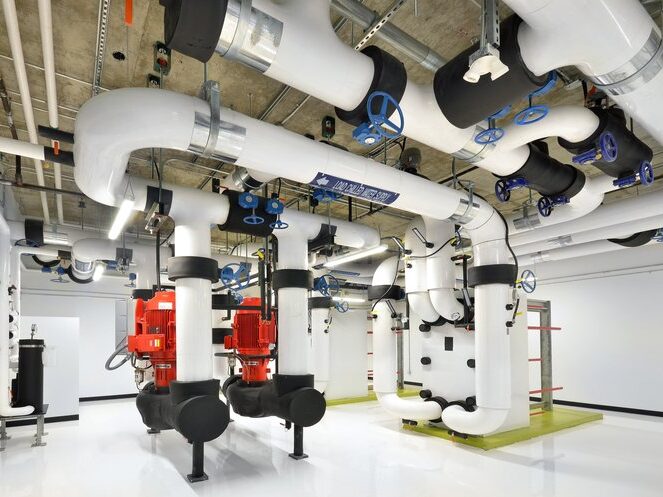
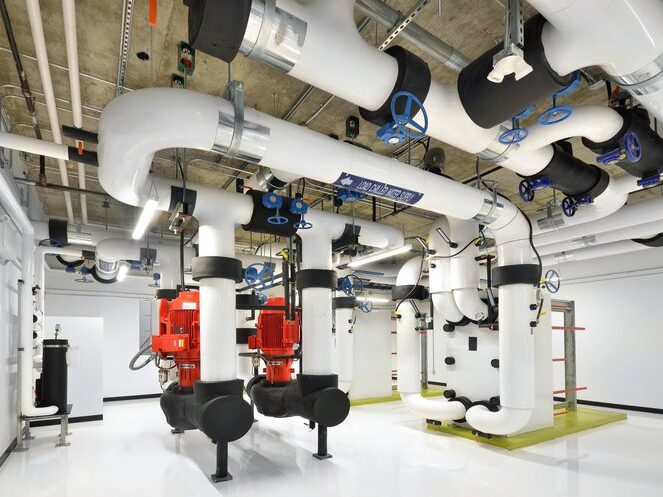
At our 151 Front Street West and 250 Front Street West locations in Toronto, we use Enwave’s Deep Lake Water Cooling (DLWC) system.  By leveraging Lake Ontario’s naturally cold temperatures instead of conventional water-cooled chillers to cool our facilities, we significantly reduce electricity consumption and environmental impact—cutting cooling-related energy use by up to 80% and displacing 55 megawatts of electricity annually, enough to power approximately 40,000 homes. 

Enwave's Deep Lake Water Cooling
Enwave’s Deep Lake Water Cooling

2. Environmental and Water Concerns 

Traditional cooling towers can consume large amounts of water and use refrigerants that contribute to greenhouse gas emissions. For data centres operating in dense urban environments, water usage and carbon output are key sustainability considerations. 

Enwave’s DLWC eliminates the need for traditional mechanical cooling systems in our facilities, helping Toronto save over 832 million litres – or the equivalent of 100 Olympic-sized swimming pools – in water annually. 

3. Aging Infrastructure 

Older data centre facilities often rely on fixed-speed equipment, inefficient airflow, and manual environmental controls. These systems struggle to keep up with fluctuating server loads and growing density. Upgrading older infrastructure with optimized mechanical and electrical systems, smart automation and responsive environmental controls can significantly improve energy efficiency and reduce operational costs. 

We consistently upgrade our data centre infrastructure with occupancy sensors, LED lighting, UPS, and energy metres at the subsystem level. As a result, our automation systems monitor conditions in real time and automatically adjust environmental settings to reduce waste and maintain consistent performance. 

Best Practices for Maximizing Cooling Efficiency and Sustainability 

1. Use Local Environmental Assets 

Location and access to natural resources play a key role in sustainable cooling. Data centres in proximity to natural water sources can use those resources to reduce energy use and environmental impact. 

In cities like Toronto, deep lake water cooling is a proven and effective alternative to mechanical chillers and our facilities utilize Lake Ontario’s naturally cold deep waters to cool the data centre environment. Heat transfer technology captures the heat generated by our data centres and other Enwave customers facilities to warm the City of Toronto’s drinking water, contributing to Toronto’s broader sustainable energy ecosystem.  

2. Integrate Smart Monitoring and Automation 

Manual oversight of temperature, power, and airflow is no longer sufficient for modern data centres. Building automation systems allow operators to monitor and respond to environmental changes instantly. 

Our facilities feature real-time monitoring and automated systems that adjust cooling output based on load and occupancy. This ensures resources are only used where needed and helps avoid unnecessary power consumption. 

3. Prioritize Design Efficiency 

Optimizing how data halls are laid out can make a significant difference in cooling performance. Best practices include cold aisle containment, airflow management, and planning equipment layouts to reduce hotspots. 

Our data halls are built with efficiency in mind. We use cold aisle containment and variable frequency drives on mechanical equipment to direct power and cooling exactly where it’s needed. Our current Power Usage Effectiveness rating of 1.3 reflects this focus on sustainable design. 

Cooling is central to both operational performance and long-term sustainability in data centres. By combining natural cooling resources with automation, infrastructure upgrades, and smart design, it is possible to reduce emissions, lower costs, and improve reliability.  

Telehouse Canada is committed to clean energy and low-impact operations, with a target of 100 per cent renewable energy by 2025 and net-zero CO₂ emissions by 2040. For businesses evaluating colocation providers or reviewing infrastructure strategy, cooling efficiency is a key differentiator that directly impacts ESG outcomes, energy budgets, and long-term scalability. 

Learn how Telehouse Canada can help your organization meet performance and sustainability goals through efficient, future-ready infrastructure.

5G and the Future of Data Centre Operations and Edge Computing

Businesses today are dealing with massive growth in data generated by mobile usage, IoT devices, AI, and cloud-based applications, creating immense pressure on traditional data centres. The scale of global connectivity is accelerating quickly. In fact, Ericsson reported there were approximately 14.6 billion IoT connections globally. By the end of 2024, that number was expected to reach 18.8 billion. 

With billions of devices, growing AI adoption, and increasing real-time processing demands, relying solely on legacy systems is becoming challenging for businesses. This shift demands more than scale – it requires infrastructure that delivers proximity, agility, and performance. To harness the benefits of 5G, organizations must reconsider and upgrade their hosting strategies—prioritizing edge computing, strategic infrastructure location, reliability, and bandwidth capacity. One of the most immediate pressures driving this shift is the explosive growth of mobile usage and IoT. Telehouse Canada is supporting clients in adapting to the evolving digital landscape with facilities built to meet the demands of a 5G-powered future.

The Explosive Growth of Mobile and IoT Driving Data Centre Evolution

One of the most immediate pressures driving this shift is the explosive growth of mobile usage and IoT. Mobile users and IoT devices generate unprecedented amounts of data requiring scalable, high-density data centre infrastructure. It’s no longer about whether IT infrastructure can support the mobile and IoT ecosystem – but whether it can scale fast enough without becoming a bottleneck. Users increasingly rely on mobile connectivity for streaming high-definition video, online gaming, and interactive applications, driving the demand for edge-ready data centres. For data centres, this means prioritizing flexibility, network capacity, and geographic reach.

5G’s Demand for Edge Computing

With 5G networks, milliseconds matter. The closer your infrastructure is to your users, the faster and more reliable your services become. Gartner highlights that by 2025, 75 per cent of enterprise-generated data will be created and processed at the edge, up from just 10 per cent in 2018. Meanwhile, according to McKinsey’s Technology Trends Outlook 2024, the use of cloud and edge computing has grown substantially due to additional AI demand, with a compound annual growth rate (CAGR) of approximately 30.9 per cent.  

Edge computing minimizes latency by processing data closer to the originating device, essential for autonomous vehicles, smart cities, and IoT. Telehouse Canada’s strategic downtown Toronto locations offer edge-ready proximity to Canada’s largest peering exchange, providing an ideal foundation for 5G-powered workloads. Additionally, Telehouse Canada is home to all the major Canadian 5G network operators, offering clients direct access to leading carriers through onsite colocation and high-speed interconnection. This strategic proximity to Canada’s network infrastructure enhances speed, reliability, and routing efficiency – making it an ideal hub for 5G-poowered deployments.

Ensuring Reliability and Redundancy in the 5G Era

With users expecting uninterrupted connectivity, outage is no longer tolerable, it damages customer trust and business continuity. According to Uptime Institute’s Global Data Centre Survey, the average cost of downtime has risen sharply, emphasizing the critical need for enhanced redundancy measures. Telehouse Canada’s multi-layered redundancy and backup strategies ensure continuous availability, protecting clients from outages and keeping 5G applications online – with a 99.999% SLA to back it.

Managing Increased Bandwidth and Data Traffic 

5G removes previous bandwidth limitations – but without modern infrastructure, that growth becomes a liability. IDC forecasts a 30 per cent annual increase in global data traffic driven primarily by video streaming and interactive content through 2028. Data centres must modernize network infrastructure, incorporating 100G to 400G Ethernet technology, advanced fibre optics, and high-capacity interconnections. Telehouse Canada’s interconnectivity solutions, including a dark fibre network that provides rapid, direct access to connectivity providers, including carriers, ISPs and ASPs, are designed to accommodate higher bandwidth demands, preparing clients for a 5G-driven data surge. 

Advanced Automation and AI Integration 

Manual oversight can’t keep up with the volume, velocity, and complexity of modern digital environments. Gartner predicts that by 2026, 60 per cent of data centre operations will be fully automated using AI-driven technologies for predictive maintenance and resource optimization. AI-driven monitoring significantly reduces operational overhead, improves predictive accuracy, and enhances resource utilization, thus optimizing data centre performance. AI-driven automation isn’t just about cost savings – it’s about future-proofing uptime and performance. Telehouse Canada consistently explores emerging technologies, like AI-driven automation, to enhance operational performance and better meet evolving client needs. 

Energy Efficiency and Sustainability in a 5G World 

As data volumes grow, so does energy consumption – and stakeholders are demanding responsible operations. McKinsey reports that data centres could account for approximately 14 per cent of global carbon emissions by 2040 unless aggressive sustainability measures are taken. Data centres incorporating renewable energy sources, liquid cooling technologies, and AI-powered energy management systems can significantly offset environmental impacts. Telehouse Canada’s implementation of innovative cooling methods, such as Enwave’s Deep Lake Water Cooling, substantially reduces energy usage by up to 80 per cent. 

5G is transforming more than mobile networks – it’s redrawing the boundaries of infrastructure strategy. Businesses that want to stay ahead must shift from centralized, legacy architectures to decentralized, automated, and sustainable systems.  

Telehouse Canada is at the forefront of that shift – offering sustainable, edge-ready locations, tiered reliability, intelligent systems, and direct interconnection to all major 5G network operators in the country. The question is no longer if your businesses will need to adapt – but how quickly. Telehouse Canada can help your business stay competitive with infrastructure built for 5G and beyond. Contact us today.    

How Canada’s data centres can meet the demands of AI

Artificial intelligence (AI) has quickly evolved from an emerging concept to a core part of Canada’s business infrastructure. As adoption accelerates, organizations are making more focused investments in AI to solve real business challenges and enhance decision-making. As a result, the infrastructure supporting AI is under increasing demands and pressure.

Our recently commissioned ‘AI Workload Strategies 2025’ research, conducted by S&P Global Market Intelligence 451 Research shines a light on the scale of the challenge:

  • 55% of global businesses report significant networking issues impacting AI adoption
  • 39% have had to abandon AI initiatives altogether due to connectivity constraints

For Canadian data centres to help organizations avoid further setbacks and fully capitalize on the potential of AI, they must stay ahead of demand. That means advancing interconnection, increasing density, and addressing power, cooling, and wider industry coordination.

Connectivity is becoming a dealbreaker

How Canada’s data centres can meet the demands of AI

AI applications depend on high-speed, low-latency connections to move data seamlessly between clouds, GPU clusters, and on-premises environments. As workloads increase in size and complexity, older static network models are struggling to keep up.

Our survey points to a clear trend. 97% of companies say direct access to cloud platforms, commonly known as cloud on-ramp, is now critical or important to their AI strategies.

Yet reliably delivering this kind of interconnection at scale remains a major hurdle. Training large models requires fast and consistent data flow across environments, and many data centres have not originally been built with AI in mind.

Canadian cities like Toronto are witnessing a surge in fibre network expansion and the rise of carrier-neutral data centres. These interconnected hubs are designed to support the low-latency, high-resilience infrastructure that AI workloads demand, setting the benchmark for future-ready facilities.

In downtown Toronto, Telehouse Canada’s three carrier-neutral facilities are equipped with AI-supportive infrastructure to meet the scale, speed, and interconnection demands of AI deployments and enable AI at the edge.

Supporting higher density infrastructure – and the power to match

AI workloads are pushing data centres far beyond traditional capacity limits, demanding updates across multiple areas:

  • Higher rack densities: Traditional Canadian data centres typically operated under 10kW per rack, but AI deployments now often exceed that, especially when GPUs are involved. Telehouse Canada’s infrastructure is engineered for flexibility, adapting to different workload and density requirements.
  • Advanced cooling: Our 151 and 250 Front Street West data centres utilise Enwave’s Deep Lake Water Cooling System, an innovative cooling system that reduces power consumption and sustainably manages thermal output. Telehouse Canada customizes cooling solutions to meet the specific needs of different AI workloads, ensuring optimal performance and energy efficiency.
  • Power capacity planning: As energy demand is rising fast, securing additional power from utilities, especially in urban cities like Toronto, can take time. This highlights the need for long-term planning rather than reactive upgrades.
  • Flexible facility design: Not all AI workloads are the same. There is growing recognition that training and inferencing require different setups, prompting data centres to adopt mixed-density designs that can support both effectively.

These changes are now foundational for data centres aiming to support the next generation of AI applications.

Getting AI-ready means working together

AI is rapidly reshaping infrastructure demands, creating pressure across the ecosystem. Meeting these demands will take closer collaboration between data centre operators, utility providers, AI specialists, and regulators. Traditionally competitive and often fragmented, the Canadian data centre industry is now recognising the benefits of coordinated action to tackle shared infrastructure challenges.

Key focus areas for collaboration include:

  • Setting common standards for interoperability and security: Aligning on security protocols and interoperability requirements helps streamline data movement across facilities and platforms – essential when AI workloads are distributed across hybrid environments.
  • Harmonizing cooling and power requirements: As advanced cooling methods like direct-to-chip liquid cooling become more common, shared approaches and technical standards can ease the deployment and ensure reliable performance at higher densities.
  • Accelerating access to critical infrastructure: Joint and Coordinated efforts with utility providers and telecoms can speed up access to essential resources like fibre and power, particularly in urban areas where demand is already high and provisioning timelines are long.
  • Ensuring sustainable growth across regions: Collaboration enables infrastructure expansion with balance among performance, cost and sustainability, especially as AI workloads begin to spread beyond traditional business hubs.

Getting ahead of the curve

There is no doubt that AI is reshaping how Canada’s data centre facilities are built, connected, and operated. To stay ahead, providers need to focus on three areas: advanced connectivity, next-generation power and cooling, and stronger industry collaboration. Getting this right will position them to lead, not just keep pace, as AI continues to evolve. The groundwork laid today will define the country’s ability to compete and innovate in the years ahead.

Support your AI investments with Telehouse Canada

At Telehouse Canada, we understand what is at stake as businesses scale their AI capabilities. Our data centre solutions and infrastructure tailored to handle the high-density, high-performance demands of AI workloads and support AI deployment at the Edge– without compromising on security or compliance.

From robust interconnection options to scalable colocation environments, we empower companies expand their AI infrastructure with confidence. Whether you are training large models or deploying real-time inference, our facilities are designed to keep pace with your evolving needs.

Ready to scale your AI infrastructure? Learn more about how Telehouse Canada can support your strategy here.

How Data Centres Safeguard Sensitive Data in a Digital World

In today’s digital world, data centres are the backbone of secure data storage and transmission. From electronic health records to real-time financial transactions, vast amounts of data flow through these high-performance facilities every second.  To ensure the integrity and availability of this critical data, modern data centres must remain vigilant and resilient in the face of constantly evolving physical and cyber threats. 

The stakes are high. According to IBM’s 2024 Cost of Data Breach Report, the global average cost of a data breach has reached an all-time high of US$4.48 million, underscoring the critical need for comprehensive security strategies. In response to today’s constantly evolving threat landscape, modern data centres are implementing multi-layered security models to enhance their defences. At Telehouse Canada, this approach is at the core of our operations – combining physical safeguards, advanced cybersecurity protocols, and zero-trust frameworks to ensure the protection of our clients’ critical infrastructure and data.

Data Centre Physical Security Measures 

Physical security is a core component of data centre protection, serving as the first line of defense against unauthorized access. Facilities use multi-layered access controls, surveillance systems, and environmental safeguards to restrict access to critical infrastructure. In addition to deterring intrusions, physical security systems and measures also protect against environmental threats such as fire, flooding, and power disruptions—ensuring uninterrupted operations and data integrity. To safeguard our physical environments, Telehouse Canada focuses on the following measures:

Data Centre Security
  • Physical Access Controls: Our facilities use electromagnetic locking mechanisms to secure all public corridors and doors along paths of egress and are released by card reader. For critical environments and data halls, access control is maintained via electric strike and biometric security hardware. We also employ anti-tailgating systems and mantrap security systems to further prevent unauthorized access, ensuring that individuals are verified at multiple checkpoints before entering facilities. 
  • Round-the-Clock Security: Video surveillance and 24 x 7 x 365 on-site security help track every person entering and exiting our facilities. 
  • Secure Location and Environmental Safeguards: Data centres should be strategically located in secure, low-risk areas to minimize exposure to natural disasters. These facilities are equipped with advanced environmental controls—including pre-action fire suppression systems in colocation areas, VESDA smoke detection, climate regulation, and flood protection—to ensure optimal operating conditions and protect critical infrastructure from environmental threats. 
  • Mechanical Redundancy Systems: We maintain built-in redundancy to ensure continuous operation of critical infrastructure. This includes backup power supplies, cooling systems, and redundant hardware components to prevent downtime and maintain security. 

Data Centre Cybersecurity Measures

With cyber threats growing in frequency and sophistication, data centres are deploying layered cybersecurity protections to monitor, detect and respond to attacks before damage is done. Our cybersecurity strategy includes the following proactive measures:

  • Proactive Threat Detection: Telehouse Canada conducts regular vulnerability assessments to ensure its defences remain one step ahead of threat actors. We also employ Endpoint Detection and Response to ensure continuous monitoring and protection of our data centers against threats.  
  • Next-Gen Firewalls and Analytics: Advanced firewalls equipped with integrated cloud analytics enable real-time traffic inspection and anomaly detection – identifying suspicious behaviour. 
  • Security Awareness Training: We conduct regular security awareness sessions to keep employees informed about emerging threats, updated security protocols, advanced threat detection techniques, and effective response strategies. 
  • Continuous Improvement: Cybersecurity isn’t static. Telehouse Canada routinely evaluates and updates its security measures and practices to address new vulnerabilities as they emerge.

Zero-Trust Architecture and Access Control

As remote work and distributed systems become more common, many data centres are embracing zero-trust frameworks to manage identity and access. Our approach to zero-trust architecture and access management includes: 

  • Trust No One, Verify Everything: Telehouse Canada uses a strict zero-trust security model that continuously verifies the identity of users and devices, only granting access to systems or data that are necessary. 
  • Granular Permissions: Role-based access controls ensure that users can only interact with the parts of the system relevant to their job function, helping to minimize risk in the event of compromised credentials. 
  • Real-Time Monitoring: All user activity is logged and analyzed for unusual patterns, with alerts triggered for anything out of scope. 

Vendor, Partner and Supply Chain Security 

As more organizations rely on third-party vendors, data centres must ensure these partners and vendors meet the same rigorous security standards. At Telehouse Canada, we strengthen vendor and supply chain security through: 

  • Third-Party Risk Assessments: Telehouse Canada conducts comprehensive security reviews of its vendors and suppliers, ensuring alignment on policies and procedures.  
  • Threat Intelligence Sharing: By participating in broader intelligence-sharing networks, Telehouse gains insight into global security trends and can respond faster to new threats impacting the supply chain. 

As cyber threats become more sophisticated and business continuity becomes more reliant on digital infrastructure, security is no longer a check box – it’s a competitive advantage. From physical access controls to zero-trust frameworks, today’s data centres must be designed with security embedded at every layer. 

Telehouse Canada exemplifies this modern approach, combining proactive cybersecurity, rigorous physical safeguards and intelligent vendor oversight to provide a secure, reliable environment for our clients.  

Learn more about our facilities or book a private tour to see how Telehouse Canada is redefining secure data centre operations. 

Reducing Carbon Footprint in the Data Centre Industry

The rapid development of digital landscape has led to an increasing demand for data centres, but this expansion comes with significant environmental challenges, particularly in terms of energy consumption and carbon emissions. According to the International Energy Agency (IEA), data centres globally account for nearly one per cent of the world’s electricity demand, making sustainable energy practices a critical priority for the industry.  

To keep pace with growing data demands, sustainably, adopting energy-efficient technologies, renewable energy sources, and optimized cooling systems will be critical for companies to keep pace while reducing their carbon footprint. Telehouse Canada is fully committed to sustainability and environmental responsibility, aligning with KDDI’s Vision 2030, which outlines a roadmap toward achieving 100 per cent clean and renewable energy by 2025 across all data centres globally.  

Beyond 2025, KDDI has committed to “net-zero” CO2 emissions by 2040, meaning enhancing operational efficiency to eliminate greenhouse gas emissions while maintaining high-performance, reliable infrastructure. A key component of Telehouse Canada’s sustainability strategy is the utilization of Enwave’s Deep Lake Water Cooling System, a pioneering, energy-efficient cooling solution that significantly reduces electricity consumption, CO2 emissions, and overall environmental impact. 

Key Challenges in Reducing Data Centre Carbon Emissions  

1. High Energy Consumption

Data centres are among the largest energy consumers in the digital economy, requiring vast amounts of electricity to power servers, networking equipment, and storage systems. According to the International Energy Agency (IEA), in 2022, data centres consumed an estimated 460 terawatt-hours (TWh) globally, or roughly 1.4-1.7 per cent of global electricity use. That figure is approximately 71 per cent of Canada’s total electricity generation that same year, according to the International Trade Administration. Looking ahead, the Canada Energy Regulator’s Canada’s Energy Future 2023: Energy Supply and Demand Projections to 2050 report projects that global data centre energy consumption will double by the end of 2026. 

On a provincial level, a report from Ontario’s Independent Electricity System Operator (IESO), forecasts a 75 per cent increase in electricity demand by 2050, with data centres being a significant contributing factor. The rise of artificial intelligence (AI), machine learning, and high-performance computing (HPC) is driving even greater energy demand, making it crucial for data centres to find ways to reduce consumption while maintaining operational efficiency and meeting rising connectivity demand. 

The transition to renewable energy sources is one of the most impactful strategies, but integrating these sources at scale requires strategic planning, investment, and infrastructure upgrades.

2. Cooling Inefficiencies and Heat Management

Cooling infrastructure is a major contributor to a data centre’s carbon footprint, as traditional cooling methods rely on energy-intensive chillers and compressors to regulate temperature. Many legacy cooling systems operate at full power at all times, leading to wasted energy and excessive operational costs. Organizations are also challenged by the need to balance cooling efficiency with performance and uptime requirements, particularly in aging facilities or those not originally designed for modern workloads.

Best Practices for Carbon Footprint Reduction

1. Transition to Renewable Energy Sources

The introduction of renewable energy sources is essential for reducing carbon emissions, and many data centres are investing in solar, wind, and hydroelectric energy to power their operations. Switching to renewable energy sources not only lowers emissions but also reduces long-term energy costs, improves operational resilience, and helps organizations meet regulatory and sustainability compliance targets.

Telehouse Canada’s approach: 

  • As part of the KDDI Group, we are committed to 100 per cent clean energy across all data centres by 2025, aligning with KDDI Vision 2030 sustainability goals. 
  • Instead of running a traditional mechanical cooling plant, Telehouse Canada utilizes Enwave’s Deep Lake Water Cooling System, which leverages the naturally cold temperature of Lake Ontario to cool its 151 and 250 Front Street data centres. By using Deep Lake Water Cooling, Telehouse also prevents the release of CO2 emissions and saves the equivalent of 100 Olympic-sized swimming pools’ worth of water annually. 
  • We collaborate with Toronto Hydro, a leading electricity producer in Canada and a global sustainability champion, to power our data centers. This collaboration not only ensures reliable performance and scalability but also underscores our commitment to sustainable energy solutions.
Enwave's Deep Lake Water Cooling
Enwave’s Deep Lake Water Cooling System

2. Optimize Cooling and Energy Efficiency

Aging data centre infrastructure often leads to excessive energy consumption due to outdated power systems, inefficient cooling technologies, and a lack of real-time monitoring solutions. Upgrading to modern cooling solutions, energy management, and smart infrastructure significantly reduces power waste and strengthens sustainability efforts. 

Telehouse Canada’s approach: 

  • We have installed occupancy sensors and LED lighting to reduce electricity waste. 
  • We consistently modernize our infrastructure by replacing inefficient equipment, aiming to minimize environmental impact and support long-term sustainability. 
  • UPS variable module management system optimizes power usage according to changes in customer demand, adjusting loads to maximize efficiency and reduce unnecessary energy consumption. 
  • Variable frequency drives are installed on equipment such as air conditioners or hydronic pumps to adjust speed based on setpoints, avoiding full-power operation. 
  • Energy meters are included at all data centre sites and include sub-system levels to monitor usage and optimize efficiency. 
  • Our advanced building automation and energy management systems continuously monitor and adjust environmental energy usage to achieve optimal energy-saving set points. 

As demand for digital services grows, sustainable solutions are critical for minimizing environmental impact while maintaining reliable infrastructure. Choosing a data centre with a low carbon footprint is more than regulatory compliance—it’s a strategic decision that enhances long-term energy efficiency, reduces costs, and strengthens corporate responsibility.  

Telehouse is leading the way in green data centre operations, with a clear roadmap to 100% renewable energy by 2025 and “net-zero” CO2 emissions by 2040. By adopting renewable energy, improving cooling efficiency, and modernizing infrastructure, businesses can significantly lower their environmental impact while optimizing performance. Companies looking to make their data operations more sustainable can benefit from Telehouse Canada’s expertise in energy-efficient and environmentally responsible solutions.  

Learn more about Telehouse Canada’s sustainability initiatives here.

Telehouse Canada Announces Leadership Transition as It Enters Its Next Phase of Growth

Atsushi Kubo appointed as President & CEO of Telehouse Canada, succeeding Satoshi Adachi, to drive continued expansion and strengthen market position in Canada

Toronto, ON – April 1, 2025 Telehouse Canada, a leading colocation data centre service provider, has appointed Atsushi Kubo as the new President & Chief Executive Officer with immediate effect.

Atsushi Kubo, formerly Executive Vice President and Chief Operating Officer, brings extensive experience in business strategy and operational execution, joining Telehouse Canada in 2023 from parent company KDDI, a Japanese telecommunications provider. Prior to this, Kubo spent four years at Telehouse Europe as Head of Product and Business Development, where he played a key role in strategic business operations, leading product strategy and expansion. Kubo’s expertise in global data centre management was instrumental in identifying and leading the acquisition that positioned Telehouse Canada for long-term success. Over the past year, he has overseen the execution of the company’s business plan while managing daily operations as a senior leader. In his new role, Kubo will lead the company’s ongoing expansion plans and new growth initiatives, ensuring continued excellence in connectivity and data centre services.

“I am honoured to step into this role and to have the opportunity to lead a dynamic team dedicated to delivering premier solutions and services to the Canadian market. As we continue to innovate and grow to meet sector demands, our priority will be ensuring Canadian businesses can leverage the benefits of superior colocation and best-in-class connectivity services,” said Atsushi Kubo, President & CEO of Telehouse Canada.

Atsushi Kubo
Atsushi Kubo, President & CEO of Telehouse Canada

Telehouse Canada operates three carrier-neutral data centres in downtown Toronto that act as a central hub for internet service providers (ISPs), application service providers (ASPs) and Canada’s largest telecommunication carrier networks. Under Satoshi Adachi’s leadership, the company successfully transitioned to KDDI ownership, expanding its operations and strengthening its industry position. As Telehouse Canada embarks on its next phase of growth, Kubo’s appointment as President & CEO marks a pivotal moment for the KDDI subsidiary, which is uniquely positioned to play a critical role in supporting Canadian businesses in the evolving digital landscape.

“It has been a privilege to lead Telehouse Canada during this period of transformation and growth,” said Satoshi Adachi. “I am confident that under Kubo’s leadership, the company will continue to strengthen its position in Canada’s data centre and connectivity landscape.”

About Telehouse

Telehouse is a leading global data centre service provider under KDDI group, bringing together more than 3,000 business partners including carriers, mobile and content providers, enterprises, cloud providers and financial services companies. Established in 1989, Telehouse provides reliable, secure, and flexible colocation, enabling organizations to accelerate speed to market and create business opportunities through fast, efficient and secure interconnections. For more information visit: telehouse.ca