


 Colocation
 Data Centre Migration
 Remote Hands and Eyes
 Disaster Recovery

 Cross Connect
 Meet-Me Room (MMR)
 Access To Peering
 Cloud Connectivity
 Dedicated Internet Access
 Data Centre Interconnect
 AI Exchange
 151 Front Street West Data Centre
 About Us
 Careers
 Compliance
 Management Team
 Sustainability
 Customer Portal
The colocation provider an organization chooses can influence network performance, connectivity options and how easily its IT infrastructure can scale as requirements evolve. As workloads become more data-intensive and connectivity requirements become more complex, those considerations carry more weight than ever.
The right provider should support not only where an organization is today, but where it is headed. Understanding how a facility approaches density, interconnection and scale can help organizations make a more informed decision. Whether evaluating colocation for the first time or reassessing a current provider, there are a few key questions worth asking. Below, we’ve outlined those questions, why each one matters and how we answer them at Telehouse Canada.
1. Where Are Your Facilities Located?
A facility’s location can influence latency and proximity to key markets, while its surrounding connectivity ecosystem can affect the range of networks available. For latency-sensitive applications, physical distance can influence how quickly data travels between users, partners and systems. Locating infrastructure closer to users and network destinations can help reduce latency, particularly when paired with efficient network routing and interconnection. Major business centres, like Toronto, bring together a high concentration of enterprises and digital infrastructure, keeping organizations closer to the customers, partners and operations their infrastructure supports.
How Telehouse Canada Delivers
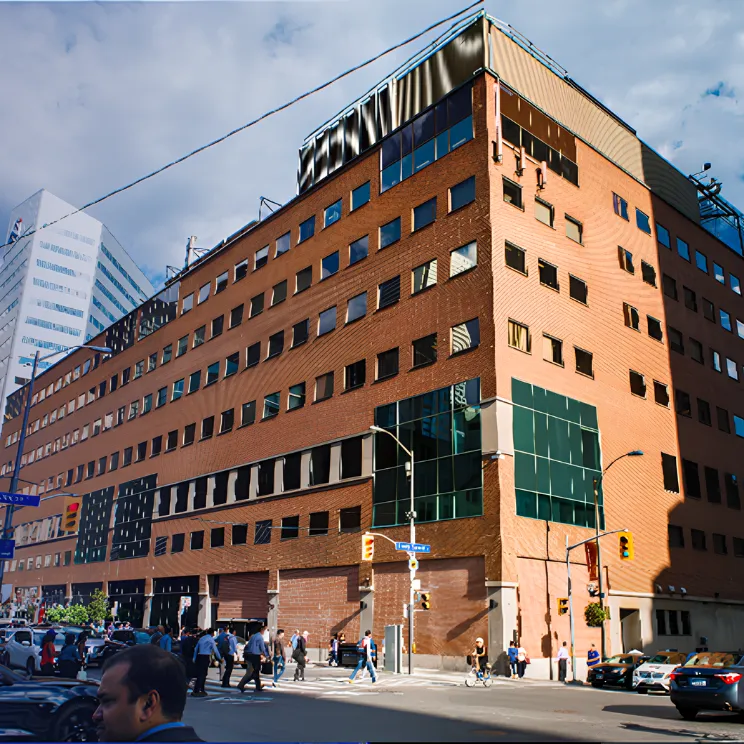
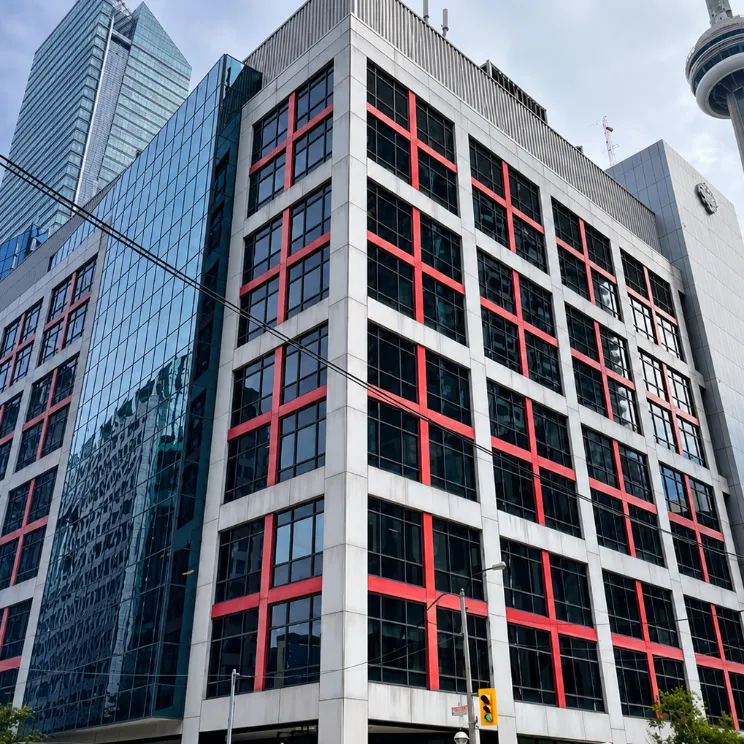
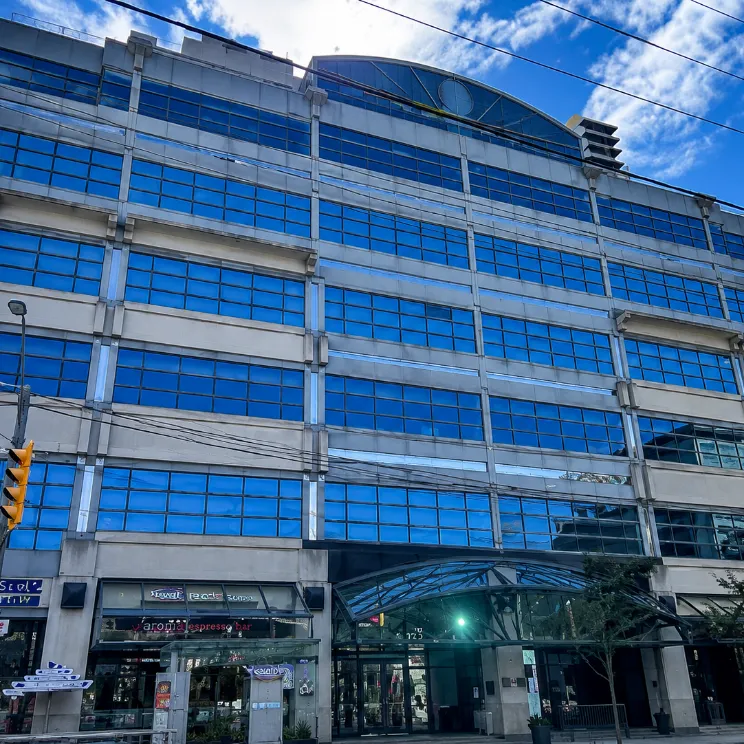
In the heart of downtown Toronto, Telehouse Canada’s data centre campus places critical infrastructure close to the country’s largest financial and business market and a major connectivity hub. As Canada’s most connected data centre campus and a major interconnection hub, it provides access to a network ecosystem of more than 200 connectivity providers. Two diverse fibre rings connect our three facilities, creating a resilient campus architecture and extending this connectivity across locations.
2. How Connected Is Your Ecosystem?
The value of a colocation facility often lies in the networks and partners it brings together. The broader and more diverse the mix of carriers, cloud providers, network operators and enterprises present within a facility or campus, the more opportunities organizations have to establish direct connections to the partners they rely on. These connections can reduce reliance on indirect routing and third-party networks, helping improve network efficiency and simplify connectivity.
Neutrality matters as well. A carrier- and network-neutral data centre gives organizations access to multiple connectivity providers, providing the flexibility to choose or change providers as their network requirements evolve.
It also makes it easier to build redundancy by connecting multiple carriers and paths, reducing dependence on any single provider or connection. Direct access to cloud providers and internet exchanges is another important consideration. For organizations operating across hybrid and multi-cloud environments, how traffic reaches these platforms can affect network performance, control and costs.
Private connections can provide more consistent and predictable network performance and greater control than public internet routing, while internet exchanges enable direct peering with other networks, which can reduce reliance on third-party transit and improve network efficiency.
How Telehouse Canada Delivers
Our Toronto campus is carrier and network neutral, with more than 200 connectivity partners and seven interconnected Meet-Me Rooms (MMRs) backed by a 99.999% uptime SLA. Customers can connect through managed panels, starting at 24 connections, or through our Active MMR, which adds a logical switching layer for one-to-many virtual interconnection.
For cloud connectivity, customers have on-site access to AWS Direct Connect, Microsoft Azure ExpressRoute and Google Cloud Interconnect. Through our partnership with Megaport, they can also reach more than 350 cloud on-ramps from a single port, with bandwidth that can be adjusted as needs change.
The campus also provides direct access to TorIX, CANIX and MegaIX, giving organizations more options for exchanging traffic and connecting with broader networks ecosystem. Together, these options allow colocation, interconnection and cloud access to operate as one connected environment.
3. How Do You Approach Sustainability and Efficiency?
As demand for digital infrastructure grows, so does its environmental impact. Data centres require significant power to run IT equipment and supporting infrastructure, including cooling systems, and energy requirements can increase as workloads become more compute-intensive. For many organizations, a provider’s approach to sustainability is now an important consideration when evaluating colocation options. As organizations track and report the environmental impact of their operations and supply chains, the data centres supporting their IT infrastructure can contribute to their overall environmental footprint. Choosing a provider with a clear sustainability strategy and transparent reporting can support an organization’s broader environmental goals.
Sustainability goes beyond energy use alone. The source of electricity, the efficiency of cooling and power systems, water use, and how environmental performance is measured and reported can all contribute to a facility’s overall environmental impact. Cooling can represent a significant portion of data centre energy use, making system design and efficiency important considerations for reducing energy consumption and supporting increasingly dense IT environments. When evaluating providers, it’s worth asking how facilities are powered and cooled, how energy use and emissions are measured, and what initiatives are in place to reduce environmental impact as demand grows.
How Telehouse Canada Delivers
Our downtown Toronto facilities use Enwave’s Deep Lake Water Cooling System (DWLC), which leverages the naturally cold temperature of Lake Ontario to provide cooling. Specifically, the system utilizes water at 4°C from the bottom of Lake Ontario to cool our data centres. Heat transfer technology then captures the heat generated by our data centres and other Enwave customers’ facilities to provide sustainable heat for the City of Toronto’s drinking water. This solution reduces our electricity use by 80% and displaces 55 MW of energy from Toronto’s electrical grid annually – the equivalent of powering 40,000 households. By reducing reliance on conventional mechanical cooling, the system also contributes to Telehouse Canada’s low Power Usage Effectiveness (PUE) of 1.3.
Additionally, our facilities are powered by 100% renewable energy sources, helping customers align their infrastructure strategies with their sustainability goals. As demand for data-intensive applications and higher-density computing continues to grow, this approach enables organizations to colocate critical infrastructure in a highly connected environment while supporting their broader sustainability objectives.
4. Can Your Facilities Support High-Density and AI Workloads?
AI and high-performance computing are changing what organizations need from a data centre. These workloads rely on specialized hardware, such as GPUs, that draw far more power and generate far more heat than traditional servers, pushing rack densities well beyond what many facilities were originally designed to support. Cooling is often one of the first areas where these limitations become apparent. Traditional air cooling becomes less effective as densities climb, which has led many providers to adopt liquid cooling approaches that remove heat more directly at the source.
Supporting AI also means looking beyond cooling. Dense AI infrastructure requires sufficient power capacity and robust connectivity to move large volumes of data between systems and environments. A facility that meets an organization’s requirements today may not support the densities it expects to reach in the next few years. Asking how a provider is preparing for higher-density workloads can help avoid the need to relocate as requirements evolve.
How Telehouse Canada Delivers
Telehouse Canada provides AI-ready data centre infrastructure designed to accommodate the power and cooling demands of AI and other high-density workloads. Our direct liquid cooling capabilities support rack densities of up to 120 kW, removing approximately 80% of heat directly at the chip while the remaining heat is managed through air cooling. This enables customers to deploy high-density compute while maintaining stable operating conditions and meeting demanding technical requirements. With redundancy built into every layer of our critical infrastructure, our facilities are designed to provide the resilience and reliability required for mission-critical and high-density deployments.
Combined with our extensive interconnection ecosystem, these capabilities bring high-density compute and connectivity together within the same campus. Located in downtown Toronto, the campus provides a strategic environment for AI and other compute-intensive deployments, as well as organizations looking to establish a point of presence (PoP) within Canada’s major connectivity hub.
5. Can You Support Us Reliably as We Grow?
For many organizations, the infrastructure housed in a colocation facility supports services that customers, employees and partners depend on every day, making reliability one of the most important factors in the decision.
A reliable facility is built on multiple safeguards. Redundant power and cooling systems help maintain continuity during equipment failures or utility disruptions. Strong physical security controls and recognized certifications provide additional assurance that documented security and operational controls are in place. Reliability today is only part of the picture. Organizations also need a provider that supports their growth, whether that means adding space, increasing power or expanding connectivity. Therefore, when evaluating providers, it’s worth asking about uptime commitments, redundancy, security and compliance standards, as well as available capacity and the on-site support available as environments expand.
How Telehouse Canada Delivers
Our data centre campus in Toronto brings together three interconnected data centres linked by two diverse dark fibre rings, giving customers flexibility to expand across the campus while maintaining access to the networks and partners they rely on. The multi-facility environment also provides options to distribute infrastructure across locations as capacity and resilience requirements evolve.
Redundancy is built into every layer of our critical infrastructure, including power, security, cooling and connectivity, helping reduce dependence on individual systems or paths and maintain continuity for business-critical operations.
As part of Telehouse’s global data centre network, Telehouse Canada combines local expertise with over 35 years of global experience operating mission-critical infrastructure. This experience is reinforced by independent third-party audits and recognized certifications and compliance standards, including ISO/IEC 27001:2022, SOC 2 Type II and PCI DSS, alongside support for applicable privacy requirements such as GDPR, CCPA and PIPEDA.
Choosing a colocation provider requires looking beyond an organization’s immediate infrastructure needs and considering how those requirements may evolve over time. Asking the right questions upfront can make that decision clearer. Location, connectivity, sustainability, readiness for high-density workloads and the ability to grow reliably all play a role in whether a provider is the right fit, both today and in the years ahead.
To learn more about how Telehouse Canada can support your infrastructure strategy, contact our team or book a tour of one of our Toronto facilities.